
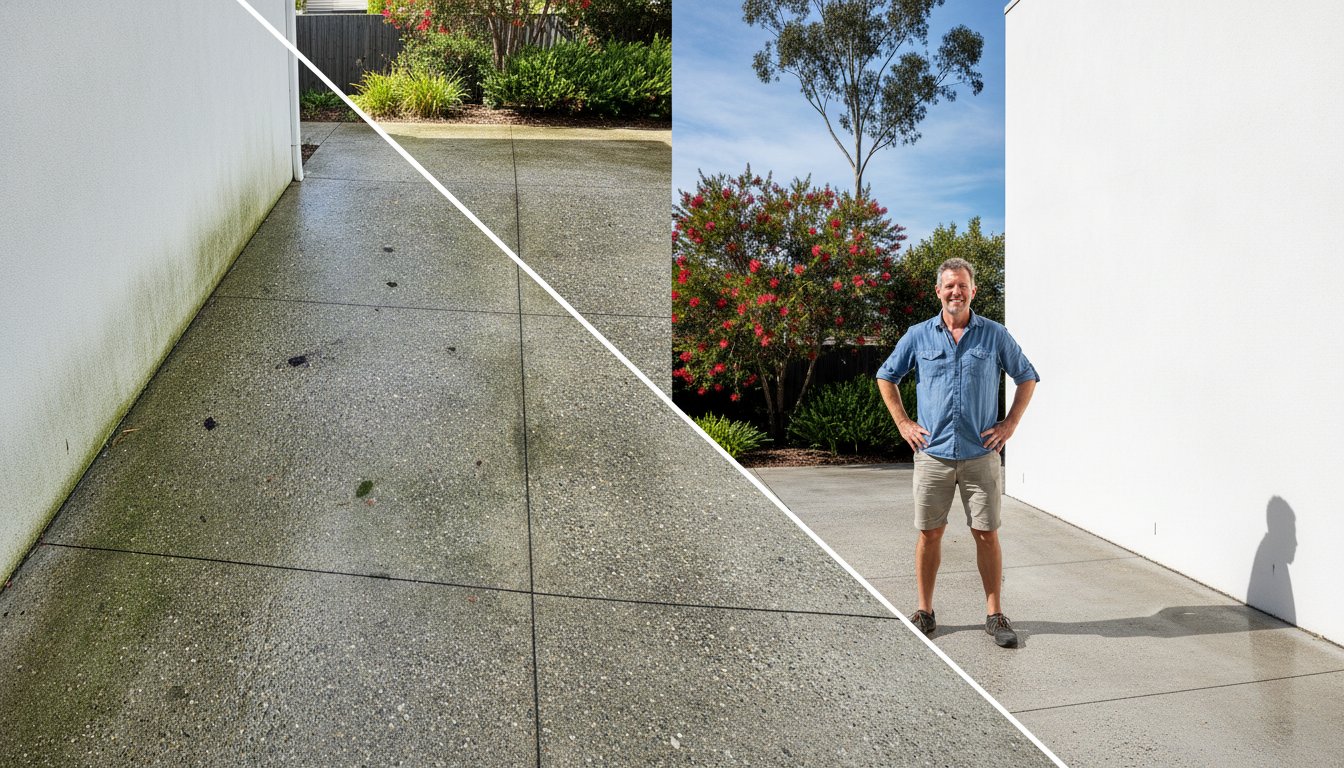
Did you know that up to 50% of Australian homes are currently battling dampness and mould growth? It's a persistent issue across Victoria, yet many homeowners find themselves trapped in a frustrating cycle of scrubbing only to see those stubborn green and black spots return before the season even changes. You might be tired of navigating a slippery driveway during a wet Melbourne winter, or perhaps you're hesitant to clean because you fear high-pressure water will strip your paint or damage delicate render. We understand that protecting the structural integrity and kerb appeal of your property is a top priority.
The secret to a lasting finish is treating exterior mould as a biological problem rather than just surface dirt. This 2026 guide reveals the professional secrets to identifying, treating, and permanently removing infestations from your home. By understanding the science behind effective concrete mould removal Melbourne homeowners can achieve a clean, non-slip exterior that stays that way for years. We'll show you how to restore your surfaces safely, ensuring your home remains a beautiful, high-value asset for your family and visitors alike.
Key Takeaways
- Understand why Melbourne’s damp winters and humid springs fuel the growth of lichen and algae, and how to identify these spores before they spread.
- Learn to distinguish between high-pressure cleaning and gentle soft washing to ensure your home's exterior surfaces are cleaned deeply without risking structural damage.
- Discover why professional concrete mould removal Melbourne is the most effective way to eliminate slippery driveway hazards and stubborn black stains for good.
- Follow a meticulous step-by-step preparation guide to safeguard your garden beds, pets, and electrical outlets before any mould treatment begins.
- Evaluate the long-term cost benefits of commercial-grade solutions that prevent regrowth and protect your property value more effectively than standard hardware store products.
What is Exterior Mould and Why Does it Thrive in Melbourne?
Exterior mould isn't just an eyesore; it's a living, breathing biological infestation. In Victoria, we commonly see it as a fungal growth that includes mildew, algae, and lichen. These organisms don't just sit on the surface like dust. They anchor themselves into the pores of your driveway and walls. If you've noticed your concrete turning a dark, murky grey or your rendered walls developing green streaks, you're dealing with a complex ecosystem that thrives specifically in our local conditions.
Melbourne’s notorious "four seasons in one day" climate provides the ultimate breeding ground for these spores. Our damp, overcast winters and humid springs create high moisture levels that rarely dry out completely, especially in "hot zones" like shaded southern-facing walls. Homeowners in the Eastern Suburbs, where lush greenery and higher rainfall are common, often struggle more with these issues. To understand what is mould? at a scientific level, it's helpful to view it as a resilient fungus that feeds on organic matter and moisture. Unlike simple surface dirt, this growth requires chemical neutralisation to stop it from spreading across your entire property.
The Difference Between Mould, Algae, and Lichen
Identifying exactly what's growing on your property is the first step toward effective concrete mould removal Melbourne. Algae usually appears as a slippery green "slime" that becomes a major safety hazard during wet weather. Mould presents as black, soot-like spotting that can be incredibly difficult to shift. Lichen is perhaps the most aggressive; it's a crusty, scaly growth that actually secretes acids to eat into stone, concrete, and roof tiles. Because each organism has a different level of resilience, the chemical concentration and removal method must be tailored to the specific growth type to ensure total eradication.
Why "Just Hosing It" Doesn’t Work
Many people reach for the garden hose or a basic hardware store pressure washer, but this often does more harm than good. Mould has a root system called hyphae that lives deep inside the porous structure of Melbourne concrete. When you use water alone, you aren't killing the organism; you're actually feeding it. Moisture is the primary fuel for fungal growth. Often, homeowners experience a "rebound effect" where the mould returns thicker and faster than before because the spores were simply spread around the driveway rather than being neutralised at the root. Professional concrete mould removal Melbourne relies on specialised solutions that break down these roots, ensuring the surface stays clean for the long term.
Soft Washing vs. Pressure Cleaning: Which is Best for Mould Removal?
Choosing between high-pressure cleaning and soft washing isn't just about speed; it's about surface safety. High-pressure cleaning uses sheer mechanical force to blast away debris. It remains the gold standard for robust concrete mould removal Melbourne where the surface can withstand intense PSI. However, for more delicate areas like timber decks or modern render, this brute force often causes more harm than good. Soft washing, by contrast, is a sophisticated alternative that relies on specialised, eco-friendly surfactants to do the heavy lifting.
The effectiveness of any treatment depends on the "kill rate" of the solutions used. Domestic cleaners from the local hardware store often contain diluted bleach that merely whitens the mould without killing the spores. Professional-grade surfactants are designed to penetrate the porous surface and neutralise the biological root. According to the EPA guide to mould and moisture, controlling the moisture and the source is the only way to prevent a recurring problem. By using a chemical-first approach, we ensure the mould is dead before we even consider rinsing it away.
The Risks of High-Pressure Water on Mould
Blasting mould with high pressure is often counterproductive. Excessive force can "etch" or scar concrete, leaving permanent marks that trap even more dirt in the future. On a house exterior, high pressure can force water behind weatherboards or into wall cavities, leading to hidden rot and structural dampness. Most importantly, high-pressure water often just pushes spores deeper into the porous surface of the render. This essentially plants the seeds for a faster, thicker regrowth that can compromise your home's longevity.
The Benefits of the Soft-Wash Approach
Soft washing offers a gentle touch that protects your home’s paint and structural integrity. It uses a low-pressure spray, similar to a garden hose, to apply cleaning agents that break down mould, algae, and lichen at a molecular level. This method ensures long-lasting results because the biological root is neutralised rather than just being moved around. Soft washing is a chemical-first, pressure-second method for exterior preservation. If you want to restore your home's kerb appeal without the risk, a professional house washing service is the most reliable investment for your property.
Targeting Mould on Common Melbourne Exterior Surfaces
Every home in Melbourne features a unique mix of materials, and each one reacts differently to biological growth. Effective concrete mould removal Melbourne properties require depends entirely on the substrate being treated. While a heavy-duty concrete path can handle significant force, a rendered wall in Wantirna would crumble under the same pressure. We treat every surface with a tailored strategy to ensure total eradication without compromising the structural integrity of your home. Understanding these differences is the key to a professional, long-lasting finish.
Driveway and Concrete Mould Remediation
Concrete driveways are notorious for harbouring deep-set black mould and slippery algae hybrids. These biological layers turn your entrance into a safety hazard, especially during those sudden Melbourne rainy arvos when the surface becomes as slick as a skating rink. To achieve a lasting result, we recommend a driveway cleaning Melbourne service that includes deep restoration. Once the concrete mould removal Melbourne specialists have neutralised the spores, applying a high-quality sealant is essential. This creates a protective barrier that prevents moisture and new spores from re-entering the porous concrete, keeping your driveway cleaner for much longer.
Timber Decking and Entertainment Areas
Timber decking requires a different level of care because it's an organic material. Mould and mildew don't just sit on top of the wood; they trap moisture against the grain, which is the primary cause of structural rot and splintering. Investing in deck cleaning Melbourne before the summer BBQ season kicks off is the best way to clear winter gunk and preserve your outdoor entertainment area. By removing the organic growth early, you're extending the life of the timber and ensuring a safe, beautiful space for your family and guests. It's a restorative process that brings back the natural beauty of the wood while preventing costly repairs down the track.
Rendered Walls and Roof Tiles
Rendered walls are particularly sensitive to moisture-related staining. In suburbs like Wantirna, modern homes often feature delicate finishes that are easily scarred by high-pressure equipment. We use specialised low-pressure care to melt away stains without lifting the paint or damaging the render. Similarly, roof tiles are often the victim of lichen. This crusty growth doesn't just look unsightly; it contributes to tile degradation and is a leading cause of gutter blockages. Keeping these surfaces clear is vital for the long-term health of your home's drainage system and overall kerb appeal.

How to Remove Exterior Mould: A Step-by-Step Guide
Achieving a professional result isn't about luck; it's about following a disciplined sequence that prioritises surface safety and total eradication. While we've discussed the biological nature of these spores, the physical removal process requires a "Master Specialist" approach to ensure no damage occurs to your property. By following a structured remediation plan, you can transform a stained, slippery surface into a pristine asset that enhances your home's kerb appeal. This methodical process ensures that every square centimetre of your exterior is treated with the care it deserves.
- Step 1: Surface Inspection. We begin by identifying the growth type. Distinguishing between black mould and green algae is vital, as this dictates the specific chemical concentration required for successful concrete mould removal Melbourne homeowners expect.
- Step 2: Preparation. This involves safeguarding your environment. We protect garden beds, shield electrical outlets, and ensure pets are kept safely indoors.
- Step 3: Application. We apply specialised, eco-friendly mould-neutralising solutions across the target area using low-pressure equipment.
- Step 4: Dwell Time. Science takes time. We allow the solution to sit, giving it the opportunity to penetrate the porous surface and kill the spores at the root.
- Step 5: Low-Pressure Rinse. Finally, we perform a gentle rinse and a comprehensive quality inspection to ensure a uniform, clean finish.
Preparation and Safety Essentials
Safety is our primary concern during any restoration project. Before any cleaning agents are introduced, it's essential to pre-wet all surrounding plants and shrubs. This creates a protective water barrier on the leaves, preventing the foliage from absorbing any run-off. We also organise heavy-duty tarps to cover sensitive garden beds. When handling biological growth, wearing appropriate PPE, including chemical-resistant gloves and goggles, is non-negotiable. We also meticulously check for "dead zones" in your property's drainage. Contaminated water must not be allowed to pool in low spots, as this can lead to secondary dampness issues or salt damp on masonry walls.
The Cleaning and Rinsing Process
The secret to a streak-free finish lies in the application technique. We apply our solutions evenly, working from the bottom up to avoid "striping" or permanent drip marks on your walls. Dwell time is the most critical phase; we typically allow the solution to sit for 10 to 20 minutes. This ensures a maximum kill rate for the deep-seated hyphae discussed earlier. Once the science has done the hard work, we use a low-pressure rinse to sweep away the neutralised debris. We pay close attention to the final rinse of the driveway and kerb to ensure no chemical residue remains. If you're ready to see these professional results on your own property, don't hesitate to book your exterior clean today.
Why Professional Mould Removal is a Smart Investment
Investing in professional concrete mould removal Melbourne homeowners can rely on is a strategic decision for your property's long-term health. While the upfront cost of a professional service might seem higher than a weekend DIY project, the true value lies in the thousands of dollars saved on repairs. Mould, algae, and lichen are corrosive. Left untreated, they eat through paint, rot timber, and cause concrete to crack through moisture retention. In Eastern Melbourne suburbs like Croydon and Ringwood, where weather conditions shift rapidly, professional intervention ensures your home remains a high-value asset rather than a liability.
A significant advantage of hiring specialists is access to commercial-grade, eco-friendly solutions. Most products found at a local hardware store are simply diluted bleach; they whiten the surface but leave the biological root alive. We use industrial-strength surfactants and biocides that are specifically designed to neutralise spores at a molecular level while remaining safe for your family and pets. This deep-cleansing approach ensures a meticulous finish that lasts through the seasons, providing a level of protection that domestic cleaners simply cannot match. By choosing professional concrete mould removal Melbourne, you are ensuring the job is done once and done right.
Preserving Your Home’s Structural Integrity
Regular maintenance is the most effective way to extend the life of your exterior paint by several years. When mould is allowed to sit on a surface, it traps moisture against the substrate, which eventually leads to bubbling, peeling, and structural dampness. This moisture can even migrate from the exterior to the interior of the home, creating health risks for your family. Residents looking to protect their investment often choose a soft wash house cleaning Ringwood service to ensure their render and weatherboards remain in peak condition. It's a proactive step that safeguards the very bones of your property.
The Platinum Power Washing Difference
Our team operates with a "gentle but tough" philosophy that defines the standard for Melbourne homes. We understand that a heritage weatherboard requires a different touch than a modern commercial shopfront or a horse float. This versatility allows us to handle everything from delicate caravans to heavy-duty industrial driveways with the same level of meticulous care. We take immense pride in delivering a premium experience that prioritises the long-term integrity of your assets. If you are ready to restore your home's kerb appeal and eliminate safety hazards for good, get a free quote for professional mould removal today and experience the restorative power of a master clean.
Secure Your Home's Future with a Mould-Free Exterior
Taking control of exterior mould is essential for protecting both the safety and the value of your Melbourne property. We have explored why treating these spores as a biological infestation is the only way to achieve a lasting clean. By moving beyond basic high-pressure blasting and embracing a targeted, chemical-first approach, you ensure that your driveways remain non-slip and your rendered walls stay structurally sound. Professional concrete mould removal Melbourne relies on these meticulous standards to deliver results that endure through our unpredictable Victorian seasons.
With 12+ years of local Melbourne experience, our team understands the specific challenges faced by homeowners in Ringwood, Croydon, and across the Eastern Suburbs. We use specialised soft-wash equipment to protect your most delicate surfaces while delivering a deep, restorative finish. Don't let winter gunk compromise your home's integrity any longer. Restore your home’s kerb appeal with professional mould removal from Platinum Power Washing. It's time to enjoy a pristine, safe, and beautiful exterior that you can be proud of all year round.
Frequently Asked Questions
Is exterior mould dangerous to my family’s health?
Yes, exterior mould can trigger respiratory issues and allergic reactions if spores are allowed to enter your home. These microscopic particles often drift through open windows or are carried inside on shoes and clothing. By investing in professional concrete mould removal Melbourne families can reduce the total spore count around their property, creating a safer environment for children and anyone suffering from asthma.
Can I use bleach to remove mould from my driveway?
Household bleach is generally ineffective for long-term results because it only whitens the surface of the growth. It lacks the necessary surfactants to penetrate the deep pores of the concrete and kill the biological roots. This usually leads to a quick "rebound" effect where the mould returns thicker than before. Professional-grade solutions are required to neutralise the infestation completely.
How long does professional exterior mould removal last in Melbourne?
Professional treatments typically keep surfaces clean for 12 to 24 months, depending on your property's exposure to shade and moisture. Shaded southern walls or areas with poor drainage may see regrowth sooner than sun-drenched paths. Because our specialised methods kill the spores at the root, you'll enjoy a much longer period of cleanliness compared to basic high-pressure hosing.
Will the chemicals used for mould removal kill my garden plants?
We take meticulous precautions to ensure your garden remains healthy and vibrant throughout the process. This includes pre-wetting all foliage to create a protective water barrier and using tarps to shield sensitive garden beds. Our eco-friendly solutions are applied with precision, and we rinse all surrounding areas thoroughly to ensure no chemical residue affects your soil or plants.
Why does the mould on my shaded walls keep coming back every winter?
Mould thrives on shaded walls because they lack the natural UV light that kills fungal spores. Melbourne's persistent winter dampness provides a constant moisture source, turning these cool, dark surfaces into a perfect breeding ground. If the biological roots aren't fully neutralised during the cleaning process, they'll simply reactivate as soon as the wet weather returns.
Is soft washing or pressure cleaning better for a rendered house?
Soft washing is the superior choice for a rendered house because it eliminates the risk of scarring or "etching" the delicate surface. High pressure can force water into wall cavities or strip away the top layer of paint. Soft washing uses a gentle, low-pressure application of cleaning agents to melt away the mould without compromising your home's structural integrity.
How much does it cost to have mould professionally removed from a house exterior?
The cost of professional mould removal depends on the size of the area, the severity of the infestation, and the specific surfaces involved. Factors like the height of the walls and the accessibility of the site also influence the final investment. We recommend requesting a tailored quote to get an accurate assessment of your property's unique requirements.
Can mould removal help prevent my timber deck from rotting?
Yes, removing mould is a critical step in preventing your timber deck from rotting. Mould and algae act like sponges, trapping moisture against the wood fibres and accelerating the decay process. By clearing this organic growth, you allow the timber to breathe and dry out properly, which significantly extends the life of your outdoor entertainment area.


